


Journal of Sustainable Cities and Built Environment
Volume 4, Issue 1, 2026, ISSN: 2536-0132

Original Article
Green Zone Compliance for Promoting Community Health and Wellbeing: The Case of Lokoja, Nigeria
Yakubu Ukwe-nya Sunday *1  , Hambolu Agnes Taiwo 2, Egbuta, J. N 3, Zakka Solomon. D 4

Editor: Ashraf Mohamed Soliman 

Reviewers:
Mahmoud Abdulatif
Amine Moulay
1* Department of Architecture, Federal University Oye-Ekiti, Nigeria; email Sunday.yakubu@fuoye.edu.ng
2 Department of Business Education, Federal University Lokoja, Nigeria. Email: agneshambolu1@gmail.com
3 Department of Architecture, Federal University Oye-Ekiti, Nigeria; email joseph.egbuta@fuoye.edu.ng
4 Department of Urban and Regional Planning, Federal University Oye-Ekiti, Nigeria. Email: Zakka.solomon@fuoye.edu.ng,
* Correspondence: email Sunday.yakubu@fuoye.edu.ng; Tel.: +2348034355960 ORCID ID: https://orcid.org/0009-0005-6123-4366
Received 27 January 2026, Revised 10 February 2026, Accepted 10 February 2026, Available online 15 February 2026
DOI: https://doi.org/10.58757/jscbe.04.01.01
Abstract:
The purpose of this paper is to examine the extent of regulatory compliance regarding green zones in urban centers within a postcolonial context in promoting health and well-being in Lokoja metropolis and other developing countries while targeting all stakeholders and users. This study employs proportional random sampling to collect data by administering 140 structured questionnaires, yielding a valid response rate of 120 (72%). Additionally, physical observations of green zone areas were conducted for assessment, along with a review of published literature. SPSS was utilized for the descriptive and inferential analysis of the data, while thematic analysis was used for data collected through physical observations. The findings indicate that the lack of stronger regulatory control in postcolonial urban centers has led to the conversion of green-zone areas for alternative uses. This research was conducted in Lokoja municipality, one of the first administrative seats of the colonial governor-general. But the findings can be applied to similar cities and developing countries with post-colonial compliance regulatory issues. This study suggests that urban development control should establish stronger regulatory frameworks with penalties for non-compliance to preserve the original purpose of green zone areas, established during the colonial period. Moreover, the findings emphasize the necessity for robust legislation for urban control officials, building developers, and those involved in construction and city planning in developing countries, focusing on sustainable stakeholder engagement to ensure adequate compliance with green zone regulations.
Keywords: Green Zone; Compliance; Health & Wellbeing; Urban Design; Lokoja; Nigeria.
- INTRODUCTION
1.1. Background
The green zones are created by local regulations to help promote healthy lifestyles, reduce pollution, reduce waste, create job opportunities, and in creating social inclusion and community cohesion [1]. The value of these designated areas reserved by the local or state government master plan to promote positive impacts on the environment has been misused in non-compliance with regulations. Many of the areas have been built up by government office holders; some areas are now waste dumping sites, some are football pitches for children, and block molding industries. Weak and lack of sustainable urban planning laws and lapses on the part of control officers lead to most of the negative impacts seen on urban green spaces in Nigeria and other developing countries. In an era of increasing urbanization and environmental challenges, the concept of Green Zone Compliance has gained significant attention as a strategic approach to fostering health and wellbeing. Green zones—designated areas with high environmental standards, sustainable practices, and minimal pollution—play a crucial role in improving public health outcomes. These areas often integrate green spaces, sustainable architecture, and stringent regulatory policies to mitigate the negative effects of industrialization and urban sprawl [2].
The original purpose for the creation of green zone areas was to help to reduce greenhouse gas (GHG) emissions, reduce waste, create access to recreational activities, improve air quality, and promote equality among the people of the area socially and economically [3]. All lands that are completely or partly covered with grass, shrubs, and other vegetation are called green zones. This includes parks, gardens, playgrounds, school yards, and public seating areas [2]. Complying with available green spaces in the development of buildings and infrastructure creates economic, political, social, and cultural planning to improve human wellbeing and a clean environment [3].
Wellbeing is the state of feeling well or satisfied with good health, happiness, the ability to manage stress, and even prosperity. On the other hand, in this context, is when you are complete physically, mentally, physiologically, psychologically, and socially, and not only the absence of illness [4].
The building and infrastructural development process is complex and involves multiple actors and therefore requires a strong enforcement approach to maintain compliance, and the green zones compliance cannot be an exception [5]. In Lokoja, Nigeria, Local and State governments give building plan permits through the Urban Development Board, and the Development Control Department is responsible for ensuring compliance with building and other infrastructural permits.
1.2. Statement of the problem
Weak and lack of sustainable urban planning laws and lapses on the part of enforcement officials at postcolonial eras create urban chaos, flooding unplanned cities within Lokoja metropolis and this research is investigating the degree of compliance with those green zone’s laws and regulation in urban centers within a postcolonial context in promoting health and well-being in Lokoja metropolis.
In an era of increasing urbanization and environmental challenges, the concept of Green Zone Compliance has gained significant attraction as a strategic approach to fostering health and wellbeing. Green zones—designated areas with high environmental standards, sustainable practices, and minimal pollution—play a crucial role in improving public health outcomes if laws and regulations are complied with. Reversed is the case in an unplanned and unregulated areas with negative impacts of pollution and health challenges. These areas often integrate green spaces, sustainable architecture, and stringent regulatory policies to mitigate the negative effects of industrialization and urban sprawl [2].
The original purpose for the creation of green zones areas was to help to reduce greenhouse gas (GHG) emissions, reduce waste, create access to recreational activities and improve air quality, and in promoting equality among the people of the area socially and economically [3]. All lands that are completely or partly covered with grass, shrubs and other vegetation are called green zones. This includes parks, gardens, playgrounds, school yards, and public seating areas [2]. Complying with available green spaces in the development of building and infrastructure create economic, political, social, and cultural planning to improve human wellbeing and clean environment [3].
Generally speaking, wellbeing is the state of feeling well or satisfied with good health, happiness, ability to manage stress, and even prosperity and health in the other hand in this context is when you are complete physically, mentally, physiologically, psychologically and socially and not only the absence of illness [4].
The building and infrastructural development process is complex and involves multiple actors and therefore requires strong enforcement approach to maintain compliance and the green zones compliance cannot be an exception anything on the contrary produce reverberating impacts on the society through flood, infrastructural collapse and urban pollution [5]. In Lokoja, Nigeria, Local and State governments give building plan permits through Urban Development Board and the Development control department is responsible for ensuring compliance with building and other infrastructural permits.
1.3. Research Questions
- What is the extent of compliance with green zone regulations in Lokoja?
- What is the current state of the identified green-zone areas in the metropolis?
- Does green zone promote health-and wellbeing to people in the community?
- Is social connection, economy, cleanliness and vibrancy associated with green areas?
1.4. Research Hypothesis
This study is based on the Null and alternative hypotheses:
Ho = green zone areas do not promote health & wellbeing of the people in the environment in Lokoja, Nigeria
H1 = Green zones promote health &wellbeing of people in the environment.
1.5. Aim and Objectives
This paper aims to examine the extent of compliance by developers, professionals, and control departments to green zones standards requirements provided in the permit regulations for the promotion of the health & wellbeing of the people and the environment. And to explore the concept of Green Zone Compliance, reviews of relevant literature on the subject, and a discussion on its implications for promoting health and wellbeing are investigated. There are scanty studies within Nigeria outlining reasons for non-compliance with green zone requirements, therefore; this study adopt multiple approach to obtain data from international studies, questionnaire- based survey on availability, current use, and compliance with basic requirements, and the adoption of case observation and the study concluded from the findings that effective and simplified approach for regulatory compliance that will improve access to environmentally healthy, socially and economically viable green zones recommendation was made on the short and long term basis within Lokoja Nigeria.
The objectives are: The following objectives shall guide this research:
- To examine the extent of compliance at post-colonial period in the metropolis
- Assess the current use of green zone regulations in Lokoja
- To assess if green zone promotes health and well-being among the community and create social inclusion and community cohesion
- To determine if green zone economy, cleanliness and vibrancy associated with green areas?
1.6. Research Significance and Expected Contributions
This research impact on the field of compliance by advocating the use of stakeholders’ engagement in solving the non-compliance issues in green-zone regulations and the emphasize the necessity for robust legislation framework for governments and urban control officials to bridge the knowledge gap.
1.7. Methodology and Research Structure
The following research methodology was adopted for this study:
- Literature review of previous literature and case studies on the topic.
- Questionnaire survey administration: To collect data from all stakeholders, including the pilot test of selected experts in the field.
- Physical case observations on some identified green areas were also used in the collection of data for this research. After which, the data triangulation within a single case to ensure validity, depth, and iterative refinement was done, and
- SPSS statistical tool was used for descriptive and inferential analysis.
The research study structure in Figure 1 explains the simple process for conducting the field survey research data collection and analysis.
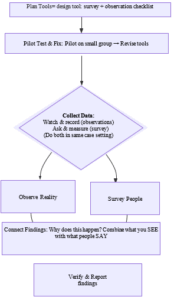 |
Figure 1: The Field Study Structure
2. Literature Review
2.1. Green Zone Standards in Local Areas
Environmental compliance, including green zones, is based on several principles and standard requirements, which include a credibility and consistency approach, proportionality in applying the regulations for compliance, and transparency of the control officers [2]. Ensuring compliance with these basic standards enhances objectives for which the areas are reserved and will also help in improving environmental impact, such as climate change [2].
The standards requirements for the creation of green zones according to [6]; [3]; [7]; [8] are to:
- Promote health and wellbeing
- Availability and accessibility for recreational purposes
- Promoting social inclusion and community cohesion
- Clean, safe, and attractive environment
- Promoting rural renewal
- Improving air quality
- Contributing to town center vitality
- Avoid any significant loss of amenity/neighboring uses/biodiversity
- Improve the quality of the public realm
- Meet the regeneration needs of areas for commercial and job creation.
- Provide equitable treatment to the regulated community
- Ensure credibility of laws and government institutions
- Minimum of 150M and a Maximum of 5,000M distances from homes
- Surface areas should be 1 Ha minimum and 300 Ha in big cities.
Various studies gave several reasons why green areas should be provided, maintained, and kept clean in the local communities. For example, health benefits and well-being improvement for social reasons, and Energy savings for environmental reasons [3]. It was revealed from a study in Finland and Sweden that green areas accessibility, short distances, increase frequent use by those within the locality [3].
2.2. Conceptualizing Green Zone Compliance.
Green Zone Compliance refers to adherence to environmental regulations and sustainable practices within specific urban and rural areas designed to promote ecological balance. According to [9], green zones help in controlling urban heat islands, reducing air pollution, and increasing biodiversity. These areas also contribute to mental and physical well-being by providing natural spaces for recreation and relaxation.
2.3. Hierarchy of laws and regulations that governed green zone compliance in Nigeria.
a. The first law is the Constitution of the Federal Republic of Nigeria 1999 (as amended), which provides the foundational directive that “the State shall protect and improve the environment and safeguard the water, air and land, forest and wildlife of Nigeria in Section 20.” This forms the constitutional basis for environmental and green zone policies in Nigeria [10].
b. The Land Use Act 1978 (LUA), Cap L5, Laws of the Federation of Nigeria (LFN) 2004: This is the central law governing land administration. It vests all land within a state in the Governor, who holds it in trust for the people. The Act empowers Governors and local governments to grant rights of occupancy and control land use, including designating land for green areas. In Sections 1, 2, 5, and 28 grant Governors sweeping powers over land use planning and revocation of rights for “overriding public interest,” which includes environmental protection and town planning [11].
c. The Nigeria Urban and Planning Act (NURPA) No. 88 of 1992, is the principal statute for physical planning. It mandates the preparation of master plans and scheme plans that must designate land uses, including open spaces and green belts. In section 26-30 and Schedule 2 detail the contents of planning schemes, requiring provisions for “public open spaces, parks, forests and gardens.” Compliance is enforced through development control (Section 38) and the requirement for Planning Permits [12].
d. Environmental Impact Assessment (EIA) Act, Cap E12, LFN 2004: Any proposed project likely to affect the environment, including developments near or in green zones, requires an EIA. Sections 2, 5, and 12 mandate assessment and approval by the Federal Ministry of Environment before project commencement in Nigeria [13].
e. State-Level Planning Laws & Regulations: Each state enacts its own town planning laws and regulations (e.g., Lagos State Physical Planning and Development Law 2010, Plateau State Urban and Regional Planning Law 2016), which operationalize green zone designations in local master plans. Non-compliance can result in enforcement notices, demolition of non-conforming structures, fines, or imprisonment [14].
2.4. Enforcement of green zone in Pre-Colonial, Colonial, and Post-Colonial Eras
Green zone laws and regulations have been in existence, and compliance was achieved from pre-to-post colonial administration as shown
2.4.1. Pre-Colonial Era (Pre-1900)
At pre-colonial Era, all land use including areas akin to modern green zones (sacred groves, community forests, farmland buffers), was governed by customary law. Enforcement was vested in traditional rulers (Obas, Emirs, Ezes) and community elders. These zones were protected through taboos, religious sanctions, and communal stewardship, with enforcement being social and cultural rather than statutory [11]; [15].
2.4.2. Colonial Era (c. 1900–1960)
In Nigeria, the British introduced formal town planning ordinances (e.g., the 1863 Lagos Town Improvement Ordinance, the 1917 Township Ordinance, the 1946 Nigeria Town and Country Planning Ordinance). These laws created what we called segregated, Government Reservation Areas (GRAs) with gardens and buffers, primarily for European quarters and health benefits. The enforcement of the standards was top-down and discriminatory. Compliance was enforced by colonial officers, with little regard for indigenous land tenure. The focus was on sanitation, segregation, and resource extraction rather than holistic environmental conservation for native areas [12].
2.5. After independence
Nigeria retained, adopted, and expanded the colonial planning laws, which brought in the National Land Use Act of 1978 and the NURPA of 1992. The Enforcement formally lies with state governments (through Ministries of Physical Planning & Urban Development) and local planning authorities. In practice, enforcement has been weak due to Corruption and political interference, Rapid urbanization and pressure for land, Inadequate institutional capacity and funding, Conflicts between statutory planning laws and customary land rights. And there are notable cases of green zone encroachment and subsequent demolition drives (e.g., in Abuja’s Maitama extension, Lagos coastal areas, Lokoja) highlight both sporadic enforcement and its challenges [12]. Green Zones and Public Health. The relationship between green spaces and public health is well-documented. Research by [16] suggests that exposure to natural environments reduces stress and enhances psychological well-being. More recent studies [17] affirm that access to green spaces is associated with lower risks of cardiovascular diseases, obesity, and mental disorders. Furthermore, green zones encourage physical activity, which is essential for maintaining overall health.
2.6. Policy and Regulatory Frameworks
Governments worldwide have implemented policies to encourage green zoning. The European Union’s Green Infrastructure Strategy [8] and the U.S. Environmental Protection Agency’s Green Infrastructure policies highlight the role of green zones in sustainable urban development. Compliance with these regulations involves maintaining specific air and water quality standards, sustainable land use planning, and integrating eco-friendly building designs.
2.7. Challenges in Implementing Green Zones.
Despite the numerous benefits, implementing Green Zone Compliance faces challenges such as high costs, resistance from real estate developers, and a lack of public awareness. Research by [18] highlights that financial constraints often hinder the widespread adoption of green zones, especially in developing countries.
2.8. Towards Compliance with Green Zone Standards
In developed countries third-party or private companies play a significant role in compliance for building and infrastructural development [19]. Ensuring compliance requires all stakeholders to collaborate and make a commitment to comply with the standards [20]. The capacity to detect early violations in the absence of voluntary compliance should be built up by the local government enforcement agencies through private inspectors who can check plans, inspect developmental projects, and support personnel [19]; [20]. Capacity development involves adequate staff building, training, and retraining of existing staff [19]; [20]; [21].
Self-regulation can be adopted in keeping the green zone healthy and safe by empowering communities to report violators. Similarly, enforcement agencies can develop a good working relationship with developers for information on who or companies that have obtained permission or are illegally building in the green zone area [20]. In the research of Burby & May, compliance is easy with more proactive impact leadership, improvements in legal support, and the use of a facilitative enforcement approach, such as surveillance to detect buildings without a permit, plan checking, and field inspections [22]; [23].
In order to achieve green zone standard compliance, several compliance strategies, such as self-regulation and punitive measures, should be adopted.
Self-regulation with rewards and incentives for lower tax rates and adjustments of behaviours from the regulated community, indirect regulations by promoting behavior change through other means than inspection and enforcement, and direct regulation by setting legal requirements or by issuing licenses, followed by inspection and enforcement [2]; [21]. City sustainability is one of the challenges facing many countries today. Therefore, green zones compliance is essential for the social, economic, cultural, and psychological wellbeing of the urban dwellers and their visitors as well. Respecting regulations encourages businesses like parks, gardens, and natural reserves [24]. Developing green zones is very important to city sustainability because almost half of the world population now lives in urban areas because of rural-urban migration and the quest for urban greener pastures among the youth population [25]. Lokoja, Nigeria, is not an exception in the urban growth, with a population of 790,000 in 2022, therefore creating an urgent need for green and public open spaces [26]. The green zones play a significant role in our urban environments, and policymakers should not ignore what it takes to maintain the standard to improve the lifestyles of urban people [3].
Organized and well-planned public/open spaces created by the developers of urban master plans were ways to escape existing urban problems and relief for those with psychological and social stress [27]. This ideology leads to the development of large scale green urban concept for the integration of nature into human settlements, as shown in Figure 2 [27].
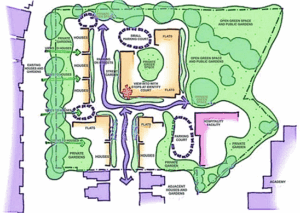
Figure 2: An illustration of a Green Neighborhood Concept (After AR-Urbanism cited in [27]
It was revealed that public parks and private gardens in the form of green belts were infused within urban settlements to help create harmony between man and his environment. A similar garden city concept was a workable solution to check the prevailing environmental ills resulting from the rapid industrialization of the nineteenth century in Europe. Lokoja, Nigeria, been the first Seat of Colonial power, was designed along the River Niger and Benue with green belt Infusion to become a model city for wellbeing, social and psychological healing, which the built-up areas have been bastardized through political and social influence [28].
This study examines green zone compliance for health and wellbeing in Lokoja, Nigeria in the following standard requirements including its physical condition, social connection and cohesion, improvement of environmental air quality, availability for use and security, its health and wellbeing promotion, clean and attractiveness, adequate space, economic value addition to the community, contributing to community vitality, car parking, and meeting regenerated needs [3]; [5]. This study measured the spread of the requirements using mean and Standard Deviation for the extent of deviation from standards and the regression analysis for standardized contribution to the issue of green zone compliance in Lokoja, Nigeria.
3. Materials and Methods
3.1. Questionnaire design
The questionnaire was part of the instruments for the quantitative data collection. The target audience was the development control officials, the construction industry professionals (The architect, builders, engineers), the environmental protection agency staff, the urban planners, academics, and the government officials. The design comprises respondents’ demographic data of age, sex, and educational level. The primary variable requirements criteria investigated namely- the physical condition of the green zones, social connection and cohesion of the community, improvement of environmental air quality, availability for use and security, promotion of health and wellbeing of the people in the area, current use of the available ones, cleanliness of the area and attractiveness, adequate space, economic value addition to the community, and contributing to community vitality or vibrancy. The majority of which were rated on a two-point scale of Yes (1) or No (2). Statistical tests such as mean value, standard deviation, and regression analysis were used to measure these variables. Drop-And- pick approach was used to manage the administered questionnaires over a period of seven days of collection time. The questionnaires were reframing severally with inputs from experts who pilot test to get the final version used for this research.
3.2. Questionnaire Pilot Test
For the validity of this study, five (5) survey participants and their contributions were obtained because of their experience of 20-40 years in the industry. Pilot test data were collected and analyzed using simple descriptive analysis as shown in Table 1 and 2 below.
Table 1: Professional/experience distribution of respondents
| Variable | Number | % |
| Development control | 2 | 41.5 |
| Construction industries | 2 | 41.5 |
| Urban Planners | 1 | 17 |
| Total | 5 | 100% |
Source: (Authors’ Questionnaire survey, 2023-2025)
Table 2: Experience distribution of respondents
| Variables | Numbers | % |
| 20-30years | 2 | 41.5 |
| 31-40 | 2 | 41.5 |
| 41+ | 1 | 17 |
| Total | 5 | 100 |
Source: (Authors’ Questionnaire survey, 2023-2025)
3.3. Data Collection:
Stratified proportional random sampling was employed to distribute questionnaires to different individuals for a better coverage in different experiences to avoid research biases. This research administered 140 paper-based questionnaires to the following data set of location respondents: including Lokogoma phase 1 & 2 (15), Adankolo (10), New Layout (18), Ganaja City (25), Felele (12), Otokiti (16), Gadumo (15), Zone 8 area (15), and GRA (14). Of the 140 distributed, 101 valid responses were used for the analysis, representing 72%. Virtual case observations were also used in the collection of data for this research [3] used a similar approach in the investigation of construction housing projects in Oxfordshire and Gloucestershire, and the investigation of skills training for standard compliance in Nigeria, respectively.
3.4. Data analysis:
The data obtained from questionnaires were coded numerically and entered SPSS 23 data entry spreadsheet, and multi-statistical procedures such as mean, standard deviation, and regression analysis were used to test the measured variables and to determine their unique contribution and the relationship between them. In which the missing values were managed by exclusion from the cases pairwise.
This study is based on the Null and alternative hypotheses below:
Ho = green zone areas do not promote the health & wellbeing of the people in the environment in Lokoja, Nigeria
H1 = Green zones promote the health & wellbeing of people in the environment.
3.5. Ethical Approval:
As applicable for research with human participation. Consent for data collection and voluntary participation with reassurance of confidentiality of information was obtained for this research.
4. Survey Analysis and Results:
4.1. Sampling:
The characteristics of the samples used for the questionnaires and case observations, which were conducted from December 2023 to March 2025 and in July –September 2025 by stratified sampling is presented in Table 3. This table shows a mean response for physical condition (M = 4.5, S.D. = 3.7) in the descriptive statistics. The result indicates inconsistent conditions of the green zones across the observed areas during the post-colonial period.
4.2. Descriptive statistics of age, educational level, and sex dispersion:
The descriptive statistics of the categorical and continuous variables of age, sex, and educational qualification is presented in Table 4. The results suggest that the deviation from non-compliance with the green zone standards cut across all ages, all qualifications, and sex across the observed areas with age (M=3.3, S.D=1.2), Qualifications (M =2.1, S.D =0.9), and Sex (M=1.3, S.D=0.5) for the sample characteristics.
4.3. Distribution of respondents’ age, education qualification, and sex:
The age of respondents ranged from 18 years to 51+ years indicates that ages 31-40 present the highest percentage of 30% responded, with a cumulative percentage (C.M) of 56%. This is followed by 41-50 years of 24% and C.M percentage of 80%. The age group of 21-30 and 51+ shows 20% valid percentage with 26% CM and 100% CM, respectively. Similarly, education qualification indicates undergraduate at 45% responded, with CM % of 71%, and Postgraduate shows 25%, and artisans and business owners indicate 16% and 12% respectively. Sex distribution of respondents indicates males at 67% and females at 33% accordingly
Table 3: Statistical characteristics of variable indications
| availability & security | Health & wellbeing | Current use of the green zone | Social connection & cohesion | Environmental Air quality improvement | Vitality or vibrancy of the area | Physical condition | Clean and attractiveness | Economic value addition | ||
| N | Valid | 120 | 118 | 120 | 119 | 120 | 119 | 120 | 120 | 115 |
| Missing | 1 | 3 | 1 | 2 | 1 | 2 | 1 | 1 | 6 | |
| Mean | 1.1750 | 1.1695 | 2.7917 | 1.1008 | 1.3000 | 1.1176 | 4.5083 | 1.2417 | 1.9304 | |
| Std. Deviation | .38156 | .37679 | 1.41953 | .30239 | .46018 | .32355 | 3.71234 | .42989 | .25553 | |
| Variance | .146 | .142 | 2.015 | .091 | .212 | .105 | 13.781 | .185 | .065 | |
| Skewness | 1.732 | 1.785 | .358 | 2.685 | .884 | 2.404 | 10.264 | 1.222 | -3.429 | |
| Std. Error of Skewness | .221 | .223 | .221 | .222 | .221 | .222 | .221 | .221 | .226 | |
| Kurtosis | 1.018 | 1.205 | -1.131 | 5.299 | -1.240 | 3.843 | 110.125 | -.515 | 9.928 | |
| Std. Error of Kurtosis | .438 | .442 | .438 | .440 | .438 | .440 | .438 | .438 | .447 | |
| Minimum | 1.00 | 1.00 | 1.00 | 1.00 | 1.00 | 1.00 | 1.00 | 1.00 | 1.00 | |
| Maximum | 2.00 | 2.00 | 5.00 | 2.00 | 2.00 | 2.00 | 44.00 | 2.00 | 2.00 | |
| Sum | 141.00 | 138.00 | 335.00 | 131.00 | 156.00 | 133.00 | 541.00 | 149.00 | 222.00 | |
Source: (Authors’ Questionnaire survey, 2023-2025)
Table 4: Descriptive statistics of age, educational level, and sex dispersion
| Statistics | ||||
| Age | Education Qualification | Sex | ||
| N | Valid | 120 | 120 | 119 |
| Missing | 1 | 1 | 2 | |
| Mean | 3.3250 | 2.1583 | 1.3361 | |
| Std. Deviation | 1.17511 | .95262 | .57438 | |
| Skewness | -.123 | .566 | .703 | |
| Std. Error of Skewness | .221 | .221 | .222 | |
| Kurtosis | -.881 | -.518 | -1.532 | |
| Std. Error of Kurtosis | .438 | .438 | .440 | |
| Minimum | 1.00 | 1.00 | 1.00 | |
| Maximum | 5.00 | 4.00 | 2.00 | |
Source: (Authors’ Questionnaire survey, 2023-2025).
4.4. Availability and security of the green zone:
To determine the availability and security of green zone provision, stakeholders, including development control, residents, professionals within Lokoja metropolis were asked to indicate yes or no provision, and the results are as presented in Figure 3.
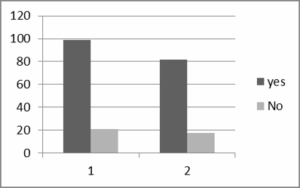
Figure 3: Green zone availability and security. Source: (Authors’ Questionnaire survey, 2023-2025)
4.5. Measure variables of Health & wellbeing of green zone:
An investigation into green zone areas as a source of health & wellbeing, the current use of available green zone areas, and responses about environmental air quality improvement from the green zone, the vibrancy of the area with green provision, the cleanness & attractiveness of the green zone, and the adequacy of green zone space and economic value; Indicates the following cumulative percentage (CM %) responses. From table 5, 83% responded that compliance with green zone regulations will enhance the quality of Health & Wellbeing (QHWB) across the area observed. Similarly, compliance will also improve Environmental air quality (EAQ) as indicated (CM=70). 88% of the respondents also agreed that consistent compliance with green area regulations create privative energy within the metropolis. While 75% agreed that compliance with regulations creates clean and attractive green areas for community participation. However, 73% of respondents did not see how compliance with green zone regulations can add economic value to the community. Their reason is that the conversion of the designated areas into religions building 21%, residential 26%, commercial building 23%, refuse dumps 20%, and recreational activities 8%.
4.6. Green zone support for social connection & cohesion:
This study examines the possibility of green zone support for social inclusion and cohesion, and the results are shown in Figure 3, which indicates that compliance with green zone regulations supports social cohesion and community inclusiveness, with 90% responses.
Table.5: Measure variables of Health & wellbeing of green zone, Current use of the available green zone, Air Quality Improvement, Vitality or vibrancy, cleanliness and attractiveness, and economic value addition.
| S/no | Variable measured | count | Responses | Valid % of response | CM % |
| 1 | Health & Wellbeing of the green zone | 120 | Yes | 83.1 | 83.1 |
| No | 16.9 | 100 | |||
| Total | 100.0 | ||||
| 2 | Current use of the available green zone areas | Religious building | 21.7 | 21.7 | |
| residential building | 26.7 | 48.3 | |||
| commercial building | 23.3 | 71.7 | |||
| recreational activities | 7.5 | 79.2 | |||
| refuse dump | 20.8 | 100 | |||
| Total | 100.0 | ||||
| 3 | Environmental Air Quality Improvement | 120 | Yes | 70.0 | 70 |
| No | 30.0 | 100 | |||
| Total | 100 | ||||
| 4 | Vitality or vibrancy of the green zone areas | 119 | Yes | 88.2 | 88.2 |
| No | 11.8 | 100 | |||
| Total | 100.0 | ||||
| 5 | Cleanliness and attractiveness of the green zone | 120 | Yes | 75.8 | 75.8 |
| No | 24.2 | 100 | |||
| Total | 100 | ||||
| 6 | Economic value addition for Communities | 115 | Yes | 33.1 | 33.1 |
| No | 7.01 | 40.0 | |||
| Not available | 59.9 | 100 | |||
| Total | 100 | ||||
Source: (Authors’ Questionnaire survey, 2023-2025)
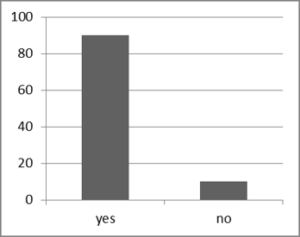
Figure 4: Support for Social Connection. Source: Authors’ Questionnaire survey, 2023-2025.
4.7. Physical condition of the green zone areas:
Figure 5 is an investigation into the physical condition of the green zone areas in Lokoja Metropolis at post-colonial period. The figure shows that the result implies that 90% of the green zone areas observed within the metropolis were converted for other uses and not available at post-colonial era, while 10% are not accessible for use.
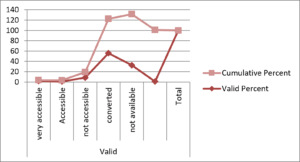
Figure 5: Physical condition of the green zone areas. Source: (Author Result 2025).
4.8. Multiple regression analysis:
The multiple regression analysis indicates the contribution of measured variables of economic value addition, Current use of the green zone, Vitality or vibrancy of the area, physical condition, Clean and attractiveness, social connection & cohesion, green zone availability, and environmental air quality improvement of the green zone compliance wellbeing in the development of building projects.
Pearson’s correlation coefficient to establish the strength of the relationship is shown in Table 6, which indicates a strong positive and negative relationship of green zone effects on health and wellbeing in the area observed at +0.897 and -0.897.
Table 6: Pearson’s variable correlations.
Correlations
| Green zone areas do not promote the health & wellbeing of the people in the environment | Green zones promote the health & wellbeing of people in the environment | ||
| Green zone areas do not promote the health & wellbeing of the people in the environment | Pearson Correlation | 1.000 | .897** |
| Sig. (2-tailed) | .001 | ||
| N | 120 | 118 | |
| Green zones promote the health & wellbeing of people in the environment | Pearson Correlation | . .897** | 1.000 |
| Sig. (2-tailed) | .000 | ||
| N | 118 | 118 | |
| **. Correlation is significant at the 0.01 level (2-tailed). | |||
| *. Correlation is significant at the 0.05 level (2-tailed). | |||
Source: (Author owns work 2025).
4.9. Evaluating each of the independent variables’ contribution to compliance for the promotion of health & wellbeing at post-colonial period:
4.9.1. The physical condition compliance
The results show that physical condition accounts for 51% of the variation in compliance with the green zone at post-colonial period. The model returns: F = 233.11, p < 0·002, R2 = 0·51 (51%), and the standardized coefficients results show beta value (B) = 0·42.
4.9.2. Clean and attractiveness
The results indicate that cleanliness and attractiveness in the post-colonial period account for 84% variation in green zone compliance with R2 = 84%, and Beta contribution of 32% (β = 0.32).
4.9.3. Social connection & cohesion
Social connection & cohesion at the post-colonial period has a variance of 73% in compliance, R2 = 0.73, and standardized coefficient beta contribution (β) = .64.
4.9.4. The environmental air quality improvement
Environmental Air quality improvement accounts for 63% variation in compliance with green zone regulations: R2 = .63 and contributing to compliance at Beta 69% β = 0.69
4.9.5. Green zone availability for use and security:
The results indicate that availability and security account for 52% variance in compliance, and the regression models show F= 134.221, p < 0.003, R-squared change (R2) = 52%, and standardized coefficients results indicate beta value (β) =0.23, p=0.003.
4.9.6. Current use of the green zone:
This accounts for 60% variance in compliance with the green zone regulations with the following models, R2 = 0.60 (60%), F = 200.110, p < = 0.001, β =0.96
4.9.7. Vitality or vibrancy of the area:
This indicates 59% variance in compliance as shown in the model R2 = 0.59, F =246.571, p < = 0.000, β = 0.81.
4.9.8. Economic value addition to the community:
Accounts for 42% variation in compliance with model returns as follows. R2 = 0.42 (42%), F =132.137, p < = 0.000, β = 0.25
The model in Table 5 explained how much of the variance the variable health & wellbeing is explained by the model, which is 71.5%, indicated by R Square.
Table 7: Regression Model Summary
| Model Summaryb | |||||||||
| Model | R | R Square | Adjusted R-Square | Std. Error of the Estimate | Change Statistics | ||||
| R Square Change | F Change | df1 | df2 | Sig. F Change | |||||
| 1 | .738a | .715 | .648 | .36768 | .615 | 61.115 | 8 | 106 | .003 |
| a. Predictors: (Constant), economic value addition, Current use of the green zone, Vitality or vibrancy of the area, Physical condition, Clean and attractiveness, social connection & cohesion, green zone availability, Environmental air quality improvement | |||||||||
| b. Dependent Variable: Health & wellbeing. | |||||||||
The statistical significance of the result was assessed using ANOVA to test the null hypothesis. And the model reaches a significance (Sig =.002; this means p < .0005) as seen in Table 8.
Table 8: ANOVA Test of Significance
| ANOVAa | ||||||
| Model | Sum of Squares | Df | Mean Square | F | Sig. | |
| 1 | Regression | 1.854 | 8 | .232 | 61.151 | .002b |
| Residual | 14.330 | 106 | .135 | |||
| Total | 16.184 | 114 | ||||
| a. Dependent Variable: Health & wellbeing | ||||||
The ANOVA result implies that the null hypothesis, Ho: Green zone does not promote health & wellbeing of people in the environment, is to be rejected, and the alternative hypothesis should be accepted based on the significance value.
Accepted H1: Green zones promote the health & wellbeing of people in the environment
5. Discussion:
There are several environmental challenges facing Urban environments, which are critically linked to poor planning and non-compliance with green space provisions at post-colonial period, such as:
5.1. Urban Heat Island (UHI) Effect:
The ancient city of Lokoja at post-colonial period experienced little greenery. GRA and colonial masters’ urban planning experience higher temperatures due to the cutting down of trees and the current extensive use of concrete and asphalt. Trees and parks mitigate UHI by providing shade and facilitating evapotranspiration [29].
5.2. Loss of Biodiversity:
As revealed by the findings, the conversion of 90% green zones into built-up areas for religious buildings, schools, and refuse dumps contributes to the loss of urban flora and fauna. Ecosystems within cities are essential for pollination, nutrient cycling, and flood mitigation [30]. The findings confirmed that 26% of green zone areas have currently been converted to residential buildings, 21% to religious buildings, 23% to commercial complexes, 20.8 % are currently used as refuse dump sites, and 7.5% left for recreational activities in the entire Lokoja metropolis at post-colonial period. This revelation has opened up a deep rot and weak enforcement process among the government agencies responsible for regulatory control and building permits approval in the area observed.
5.3. Air and Water Pollution:
This study revealed that 70% of the stakeholders agreed that green zone areas create environmental air quality, promote clean air quality and attractions, but weak regulation at post-colonial period creates pollution. Trees and vegetation areas available at colonial period helped filter air pollutants and aid in water management. But the removal and conversion of green belts at post-colonial period increases air and water pollution, affecting human and ecological health [31]. This implies that urban planning for green areas should be strategically integrated to maximize their health benefits. The sustainable urban planning frameworks must prioritize green infrastructure, including parks, green roofs, and tree-lined streets. These initiatives can significantly improve air quality, reduce noise pollution, and promote biodiversity [7].
5.4. Public Health Implications:
As indicated by H1 accepted by this study, green spaces promote mental and physical health by encouraging exercise, reducing stress, and lowering pollution exposure [23]. The findings revealed that 82% of respondents accepted that green areas enhancing health and wellbeing of the people in that locality. Interestingly, previous studies of [2]; [3]; [6] confirmed that the availability and creation of green zone areas for recreational activities promote the health and wellbeing of the people within the environment. In total support of this study finding for health and wellbeing, it was revealed that in Helsinki, Finland, 97% of city residents do one outdoor recreational activity or the other every day throughout the year to maintain wellbeing. And in Mexico City, three (3) million visitors are drawn to the centrally located Chapultepec Park weekly, who enjoy a wide variety of activities for their health and wellbeing [32]. The implication is that green zone availability within the environment will be a motivating factor to make progress in activities that can promote health and wellbeing, promote social integration and cohesion, improve environmental air quality, and light up the vitality of the area for economic activities, converting to other uses and non-availability affects the people negatively.
5.5. Urban Flooding:
Deforestation and land reclamation in green zones reduce soil permeability and increase surface runoff, contributing to flash floods [33]. Compliance with urban green space regulations is vital to mitigating urban flooding. However, regulatory gaps exist in many cities because of enforcement challenges.
5.6. Global Standards and Best Practices for green areas:
- The World Health Organization (WHO) recommends a minimum of 9 m² of green space per capita as essential for health and well-being globally.
- The European Green Capital Guidelines also encourage integrating urban planning with priority given to green infrastructure as a best practice approach. [3]; [34] in the concept of recreation and wellbeing shows that people do not go far from their environment for recreational satisfaction in the UK, and urges that all green spaces provided in urban areas should be sustainable for leisure activities
- Singapore’s (City in a Garden): Implements vertical greening, rooftop gardens, and strict land-use zoning to preserve nature amid urbanization. Such innovations offer economic advantages by increasing property values and tourism potential. A study by [35] found that properties near well-maintained green spaces tend to have higher market values.
5.7. Compliance Challenges in Developing Countries:
In many African cities, including Nigeria, compliance is weak due to [33]:
- Inadequate urban planning enforcement.
- Corruption and political interference.
- Informal settlements encroaching on green spaces.
- Poor land titling and documentation systems.
Emerging technologies can enhance the effectiveness of green area compliance to overcome these challenges. Such technologies include smart sensors for air quality monitoring, vertical gardens, and AI-driven urban planning tools, which can help cities maintain compliance with environmental standards. Furthermore, innovations in green building materials, such as self-cleaning concrete and solar-powered facades, contribute to sustainable urban ecosystems [18].
6. Conclusions:
For green spaces to promote health and wellbeing there should be a cautious planning for sustainability for the environment, the economy and the social value integration, it is necessary for its availability for use and the government at various levels should engage stakeholders for friendly and acceptable regulatory frameworks that could ease green zone compliance and also preserve the original purpose of green zone areas at pre- and post-colonial era from conversion of green areas to religious houses, residential, and commercial house. The importance of improving air quality should motivate for cleanness and attractiveness to increase economic value as revealed from findings. It has been revealed that the availability of green zone areas within the city provides an opportunity for physical exercise that promotes the health and wellbeing of the people. This will indirectly help in the internal healing of injured emotions and physical stress release.
Green Zone Compliance is an essential strategy for enhancing health and wellbeing in urban and rural areas. By integrating environmental sustainability with urban development, green zones contribute to improved public health outcomes, economic growth, and social cohesion. While challenges exist in implementation, advancements in technology and policy support can drive widespread adoption. Future research should explore innovative financing models and policy frameworks that encourage large-scale Green Zone Compliance initiatives globally.
7. Recommendations:
7.1. Urban Planning:
- Urban planning standards should be reviewed to meet the current realities of population and rural-urban migration. This should include clear strategies for each Local or municipal authority supporting green areas, and the issue of the current climate change impact
- The policymakers should develop a guideline to encourage integrating urban planning with priority given to green areas in the metropolis.
7.2. Legal Reforms
- Policy makers should issue a stem regulation guiding the provision, compliance, and maintenance of green spaces in developing countries, especially areas of tree planting, gardens, and all sustainable green belts and green space practices.
- There should be clear and defined sanctions for any stakeholders who get involved in the conversion of green spaces.
- There should be regulatory standard green space distances in the city for easy accessibility for everyone within the community.
7.3. Education:
- The importance of green areas should be introduced in developing countries’ academic and social settings as part of our culture and influence.
- Relevant agencies should encourage the students, especially those in business education and the public, to see green zone areas in schools and metropolises as income generating avenue.
7.4. Community Engagement:
- Green spaces provision should be part of any proposed developmental projects for buildings of five flats or more.
- The government should engage all stakeholders in the community for the development, preservation, and maintenance of green areas.
Acknowledgment:
This research did not receive any specific grant from any funding organization, either governmental, industrial, or commercial. But we acknowledged individuals who contributed in different ways to data collection, corrections, and proofreading of the work.
References:
[1] Hanson, B, “Promoting Sustainable Practices,” Available from: https://sustainablecitycode.org/brief/create-green-zones-2/#_edn3,
[2] OECD, “Environmental Compliance with Green” (OECD 34499651 Report, 2004).
[3] Shah, Md. and Hag, A, “Urban Green Spaces and an Integrative Approach to Sustainable Environment”. Journal of Environmental Protection (JEP), 2, 601-608, 2011.
[4] Dolan, P., Layard, R. and Metcalfe, R, “Measuring Subjective Wellbeing for Public Policy”: Recommendations on Measures, special Paper No. 23, Centre for Economic Performance, March. p 6. (2011), Available from http://cep.lse.ac.uk/pubs/download/special/cepsp23.pdf.
[5] Yakubu, U. S and Agapiou, A., “Factors affecting the development and implementation of the structural aspects of the Nigerian building code within the building construction sector in the Lokoja Municipality”. Proceedings of the CIB World Building Congress Vol.1, pp250-261, 2016.
[6] Planning Policy Guidance 17, “Planning for Open Space, Sport and Recreation”, 2002 (Technical Report). Available from http://www.greeninfrastructurenw.co.uk [Accessed 23rd March, 2020]
[7] Sarvimaki, A, “Well-being as a being well–a Heideggerian look at well-being”. International Journal of Qualitative Studies on Health and Well-being, 4 (10, 2006.
[8] European Union, “Green Infrastructure Strategy. Brussels: EU Publications. Green Spaces standards. Available from http://www.opengreenspace.com [Accessed on 27th March, 2021].
[9] Smith, J., Brown, P., & White, C, “The Role of Green Zones in Reducing Urban Heat Islands”. Environmental Research Journal, 45(2), 99-115.
[10] The Constitution of the Federal Republic of Nigeria, 1999 (as amended).
[11] Land Use Act, Cap L5, Laws of the Federation of Nigeria, 2004.
[12] Nigerian Urban and Regional Planning Act (NURPA) No. 88 of 1992.
[13] Environmental Impact Assessment Act, Cap E12, LFN 2004.
[14] Lagos State Physical Planning and Development Law, 2010 (Law No. 6 of 2010).
[15] Omotola, J.A. (1990). The Land Use Act: Twenty Years After. Lagos: Lagos University Press
[16] Ulrich, R. S, “View through a Window May Influence Recovery from Surgery”. Science, 224 (4647), 420-421.
[17] Wolch, J. R., Byrne, J., & Newell, J. P, “Urban Green Space, Public Health, and Environmental Justice: The Challenge of Making Cities ‘Just Green Enough’. Landscape and Urban Planning, 125, 234-244
[18] Chang, A., & Meyer, K., “Challenges in Sustainable Urban Development: A Green Zoning Perspective”. Environmental Policy Review, 27(3), 120-138.
[19] Vischer, H. and Meijer, F, “Building regulations for housing quality in Europe. ENHR conference “Housing in an expanding Europe: theory, policy, participation and implementation” Ljubljana, Slovenia 2 – 5 July 2006.
[20] Burby, R., and May, P, “Issues for Regulatory Enforcement and Compliance with Building Codes: American Perspective”. W. C. Engineering, 12th World Conference, 2000.
[21] Agapiou A and Yakubu S, “Determinants of non-compliance with structural building code standards in Nigeria”. Management, Procurement and Law, Vol.172 (2), pp. 47-59, 2019
[22] U.S. Environmental Protection Agency, “Green Infrastructure Policies”. Retrieved from https://www.epa.gov/green-infrastructure.
[23] Mitchell, R., & Popham, F, “Effect of exposure to natural environment on health inequalities: an observational population study”. The Lancet, 372(9650), 1655–1660.
[24] Adedeji, O.H., & Oduwale, L, “Urban Green Space Development in Nigeria. Implications for Health and Well-being”. Urban Studies, 56(7), 1420-1437.
[25] Bush, J, “The role of local government greening policies in the transition towards nature-based cities”. Environmental Innovation and Societal Transitions 35-44, 2020
[26] Urban Population, Available from populationstat.com/Nigeria/lokoja [Accessed 5th April, 2022].
[27] Zakka, S.D, Permana, A.S., Majida, M.R., Danladi, A, Bako, P.E, “Urban Greenery a pathway to Environmental Sustainability in Sub-Saharan Africa: A Case of Northern Nigeria Cities”. International Journal of built environment and sustainability. IJBES 4(3)/2017, 180-189, 2017.
[28] Joy E. U, Majekodumi I. M, Emmanuel K. O, “Exploration of Municipal Expansion and Land-use Terrestrial Cover Change: A Study of Lokoja, Nigeria” International Journal of Scientific & Engineering Research Volume 8, Issue 7, July 2017.
[29] Gill, S. E., Handley, J. F., Ennos, A. R., & Pauleit, S, “Adapting cities for climate change: the role of the green infrastructure”. Built Environment, 33(1), 115–133.
[30] McKinney, M. L, “Urbanisation, biodiversity, and conservation”. BioScience, 52(10), 883–890.
[31] Tzoulas, K., Korpela, K., Venn, S., Yli-Pelkonen, V., Kaźmierczak, A., Niemela, J., & James, P, “Promoting ecosystem and human health in urban areas using green infrastructure: A literature review”. Landscape and Urban Planning, 81(3), 167–178.
[32] Sorensen, M. J. Smit, V. Barzetti and J. Williams, “Good Practices for Urban Greening,” Inter-American Development Bank, 1997. Available from: http://www.iadb.org/sds/doc/ENV109KKeipiE.pdf
[33] Adelekan, I. O, “Vulnerability of poor urban coastal communities to flooding in Lagos, Nigeria”. Environment and Urbanisation, 22(2), 433–450.
[34] Baiche B, Walliman N and Ogden R, “Compliance with building regulations in England and Wales”. Structural Survey 24(4): 279–299, 2006.
[35] Li, X., Zhang, Y., & Thompson, R, “The Economic and Social Benefits of Green Spaces in Urban Environments”. Journal of Urban Studies, 58(5), 789-812.Ya
[35] Aluko, O.E. (2011). “The Development of Urban and Regional Planning Law in Nigeria: A Historical Analysis.” Journal of Law, Policy and Globalization, Vol. 1.
[36] Norman, G. (2010). Likert scales, levels of measurement and the “laws” of statistics. Advances in Health Sciences Education, 15(5), 625-632.
[37] Carifio, J., & Perla, R. J. (2007). Ten common misunderstandings, misconceptions, persistent myths and urban legends about Likert scales and Likert response formats and their antidotes. Journal of Social Sciences, 3(3), 106-116.